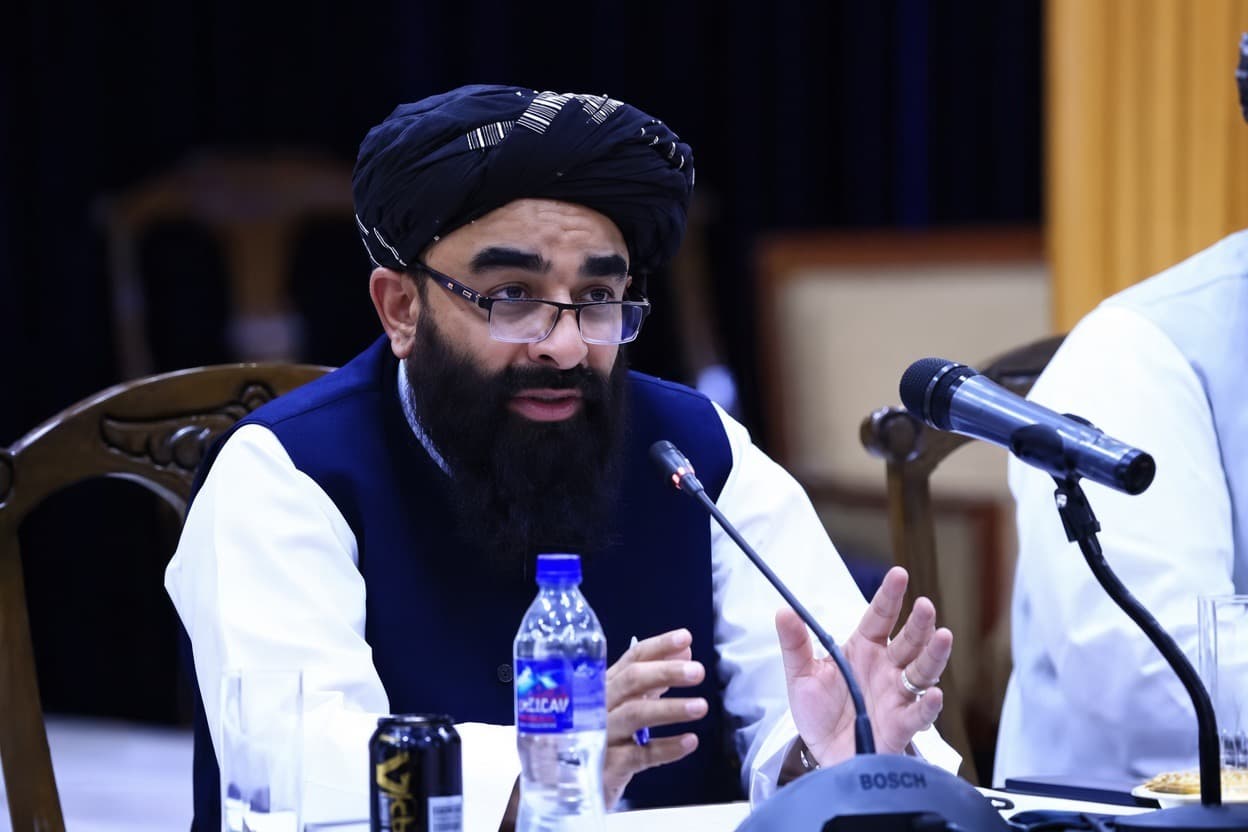
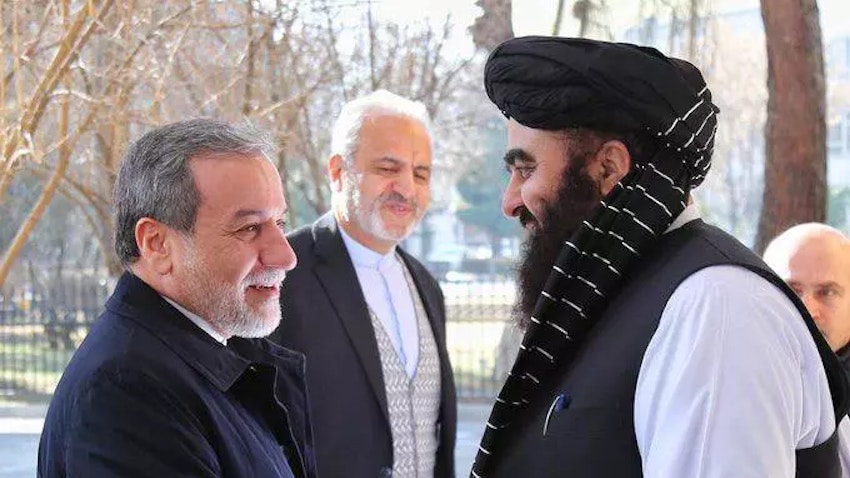
Informed sources told the media that the Taliban and the Islamic Republic of Iran have collaborated on developing a mobile application that could enable monitoring of users in Afghanistan. According to these sources, the software can expose smartphones and other internet-connected devices to surveillance systems.
The sources, who requested anonymity, claim that the said application has advanced surveillance capabilities and can make information from smartphones and other internet-connected devices available to intelligence agencies. This has raised concerns regarding the level of access to user data.
Meanwhile, cybersecurity experts in London have warned that unknown or suspicious apps may be able to collect sensitive information such as location, contact lists, messages, browsing history, and device permissions. They emphasized that such tools can be used for widespread surveillance in environments with strict privacy restrictions.
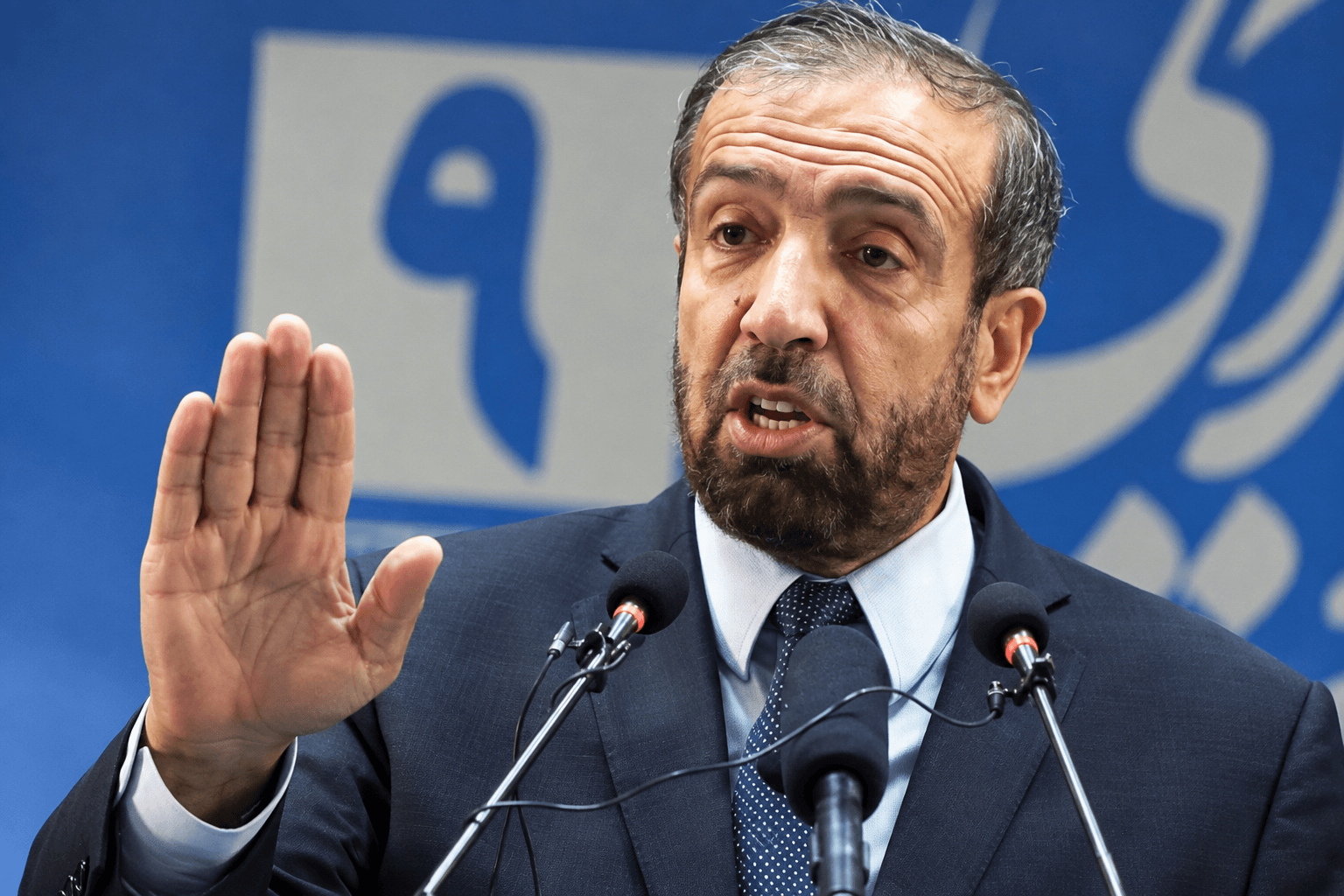
Separately, Hedayatullah Hedayat, head of the Bakhtar news agency under Taliban control, reported the development of keyboard software by the national radio and television. Some analysts view this as a sign of the expanding role of Taliban-affiliated institutions in the technology sector and digital tool development.
At the same time, some reports point to the Islamic Republic of Iran’s history in internet control, restrictions, and user surveillance. In this context, temporary or widespread internet shutdowns in Afghanistan have also been reported in the past by the Taliban, drawing reactions from human rights organizations and users.
Writer:Salima Aryaei