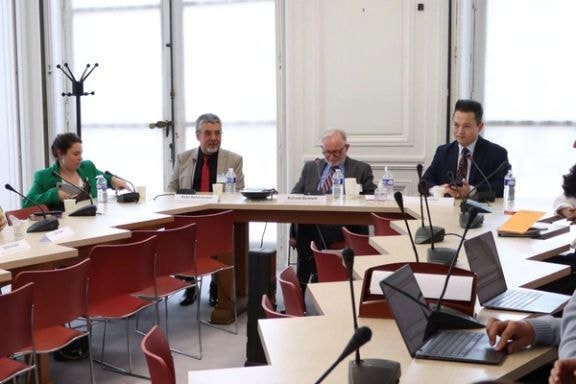
A two-day meeting focused on examining the human rights situation in Afghanistan and seeking solutions to the country’s ongoing crisis began on Wednesday at the French National Assembly. The meeting is attended by French officials, the UN Special Rapporteur, and several former Afghan officials.
At the conference titled “Afghanistan 2026: Humanitarian Emergency and Political Solutions,” participants discussed various aspects of human rights in Afghanistan, with a particular focus on the deteriorating conditions for women. The aim of the meeting is to assess the current situation and provide recommendations for improvement.
At the opening ceremony, Lia Balaj Al-Mariki, a member of the French parliament and vice-chair of the France–Afghanistan Friendship Group, was present. Richard Bennett, the UN Special Rapporteur on Human Rights in Afghanistan, also addressed the committee on foreign affairs and the France–Afghanistan Friendship Group for the first time in person.
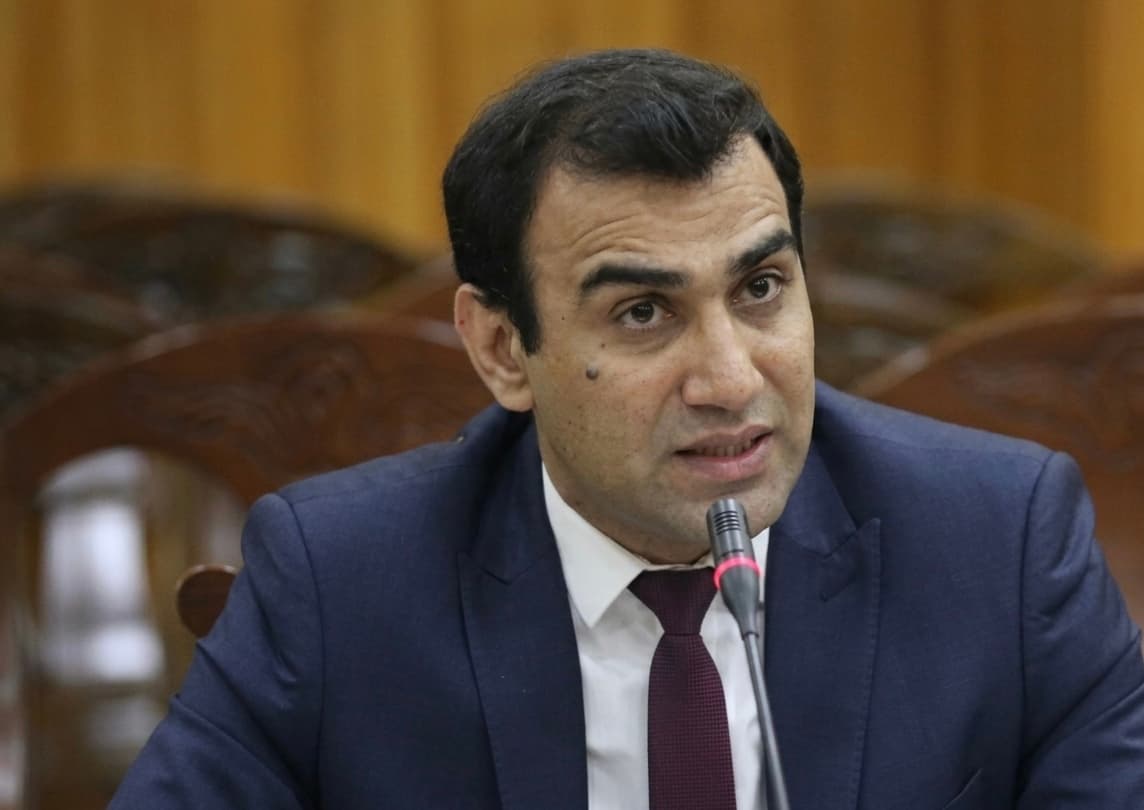
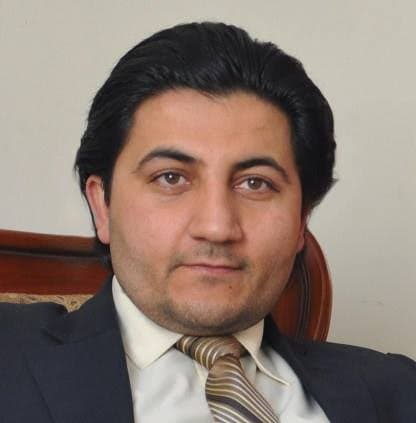
Former Afghan National Security Chief Rahmatullah Nabil, along with several women’s rights activists, also attended the meeting. The presence of these figures is seen as part of an effort to provide diverse perspectives on Afghanistan’s situation.
In the first session of the conference, the creation of a “Parliamentary Working Group on Afghanistan” was proposed, involving French parliamentarians and the UN Special Rapporteur. Participants also emphasized the continuation of issuing humanitarian visas for women, human rights activists, civil society members, and journalists.
The conference is organized by the Afghanistan Children Association and the Afghanistan Peace Dialogue Movement and is scheduled to continue on Thursday, May 7, at the French Ministry of Foreign Affairs and later at the Paris City Hall.
This meeting is being held at a time when Taliban-imposed restrictions have posed serious challenges for women in Afghanistan. Among the concerns raised is the implementation of the Taliban’s “Criminal Code of Courts” issued on January 4, 2026 (15 Jady 1404) and signed by Hibatullah Akhundzada.
The code contains 113 articles and, according to observers, lays the groundwork for systematic gender discrimination. The document also includes punishments such as stoning and public executions, which have sparked widespread reactions.
At the same time, Afghanistan is facing a deep political and economic crisis. Continued international isolation over the past five years has worsened the humanitarian situation in the country; according to UN reports, at least 23 million people in Afghanistan are in urgent need of humanitarian assistance.
Writer:Salima Aryaei