Following the Taliban’s ban on the import of medicines and medical equipment from Pakistan, a major Russian pharmaceutical company has announced that it will begin exporting medicines to Afghanistan.
According to a report by the Russian media outlet Interfax, the pharmaceutical company Pharmasyntez plans to send its first export shipment to Afghanistan within the next two months, in mid-summer.
Nikita Punya, the company’s Deputy Commercial Director, stated that demand for Russian-made medicines is increasing across the region, and that the launch of exports to Afghanistan is part of the company’s strategy to expand its presence in regional markets.
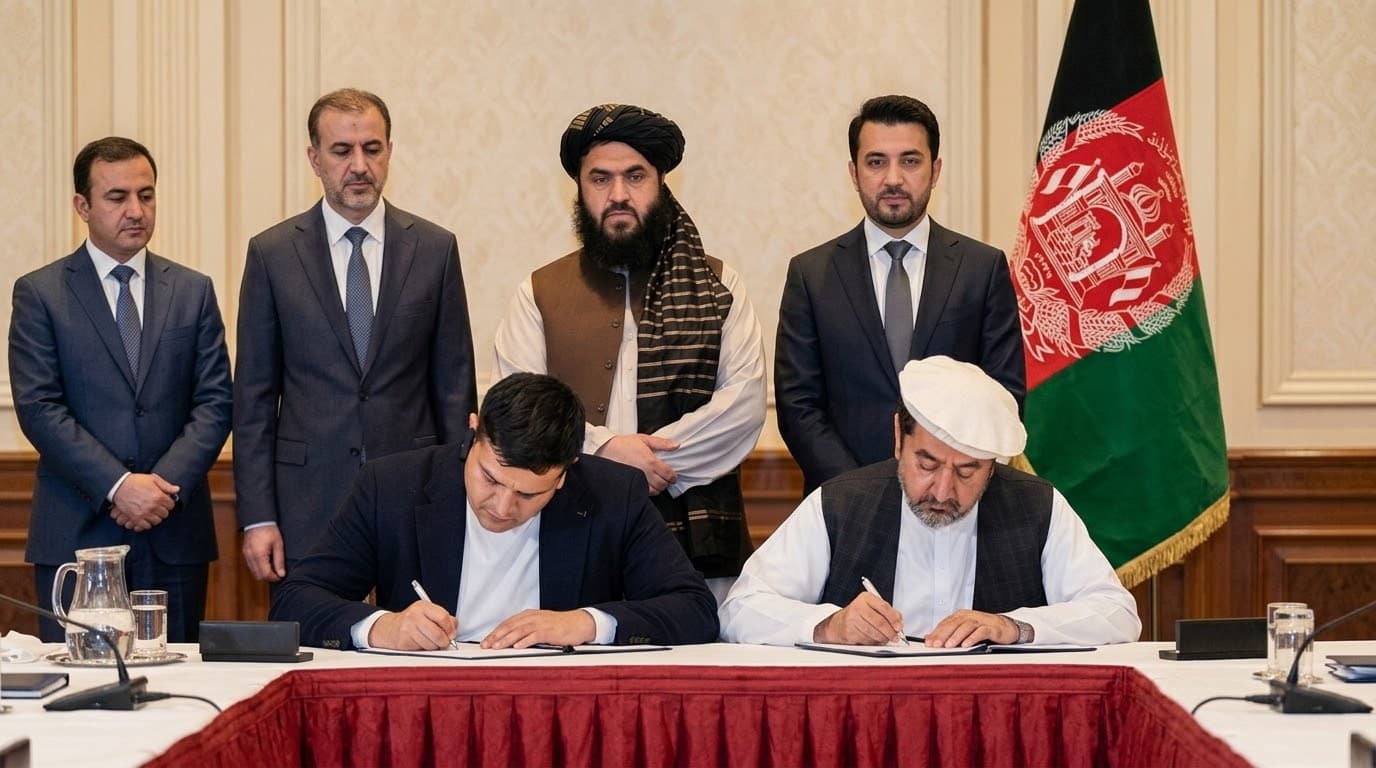
He also noted that the export process will be carried out under an agreement with the Taliban, and that both sides have reached an understanding on the matter.
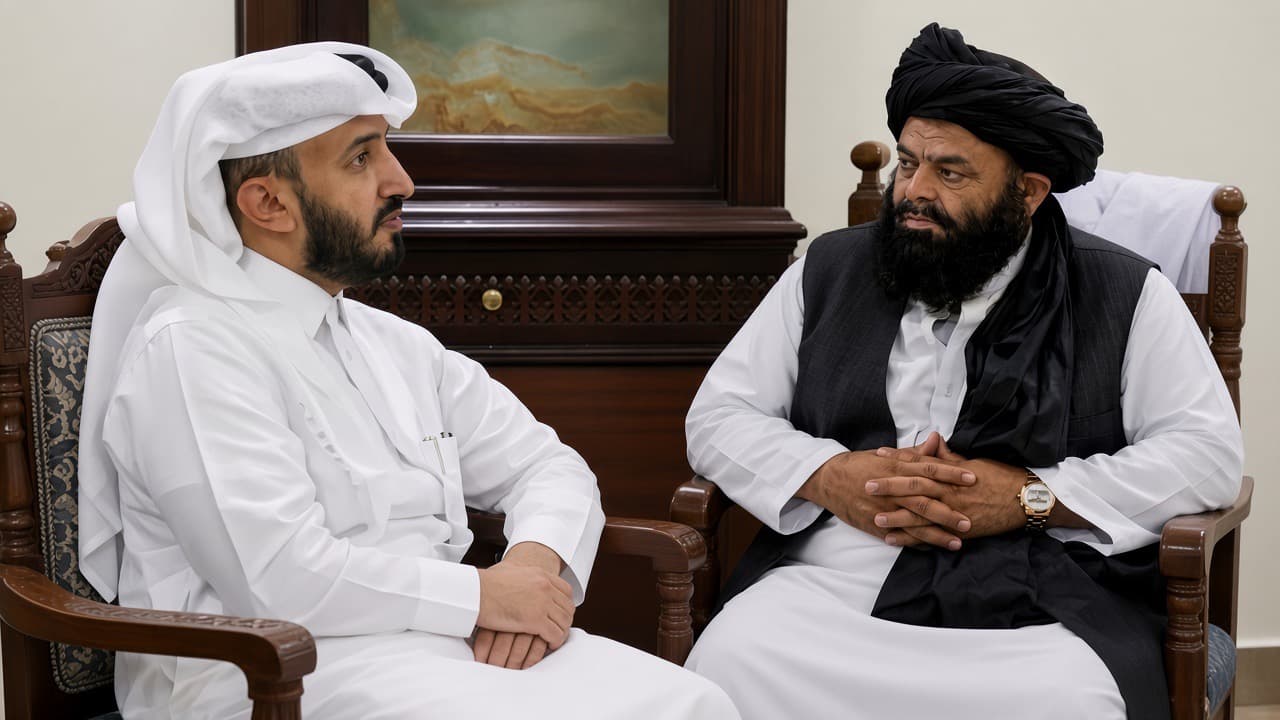
The Taliban had previously announced that Hamdullah Zahed, during his visit to Moscow in early May, met with officials from Pharmasyntez to discuss joint cooperation and investment opportunities in the pharmaceutical sector.
So far, no details have been released regarding the specific medicines that will be exported to Afghanistan. However, Pharmasyntez is known as one of Russia’s leading manufacturers of anti-tuberculosis, anti-cancer, anti-HIV medicines, antibiotics, and other specialized pharmaceutical products.
The company produces around 300 types of medicines and 80 pharmaceutical substances, with an annual production volume exceeding 100 million packages. In addition to the Russian domestic market, its products are exported to several countries, including Azerbaijan, Armenia, Belarus, Kazakhstan, Kyrgyzstan, Mongolia, Tajikistan, Turkmenistan, and Uzbekistan.
On 21 Aqrab 1404 in the Solar Hijri calendar, the Taliban issued a decree banning the import of medicines and medical supplies from Pakistan, and the decision came into effect on 20 Dalwa of the same year. Following the implementation of the ban, Taliban authorities urged traders to find alternative sources for pharmaceutical supplies.
Despite these efforts, Pakistan had supplied more than 70 percent of Afghanistan’s pharmaceutical needs before the ban took effect, and no complete replacement for this volume of imports has yet been found. As a result, medicine prices and healthcare costs have risen significantly in many parts of the country.
Reports indicate that the start of pharmaceutical exports from Russia could help meet part of Afghanistan’s market demand. However, it remains unclear to what extent these imports will be able to address the country’s existing shortages in the healthcare and pharmaceutical sectors.
Writer:Salima Aryaei