
While the 2026 FIFA World Cup is set to become the largest edition in the tournament’s history with 48 national teams, 104 matches, and joint hosting duties shared by the United States, Canada, and Mexico a new survey suggests that public enthusiasm in the United States, the tournament’s largest host market, remains relatively limited.
According to the survey, nearly two-thirds of Americans said they do not intend to follow the 2026 World Cup. In contrast, only 14 percent of respondents indicated a strong interest in watching the tournament.
The findings suggest that despite the unprecedented scale of the event and the substantial investments being made in its organization, the World Cup is still viewed by a significant portion of the American public as a largely foreign sporting spectacle and has yet to seriously challenge the dominance of the country’s most popular domestic sports.
Although soccer’s popularity has grown steadily in recent years and Major League Soccer has attracted international stars, including Lionel Messi many analysts argue that enthusiasm for the World Cup in the United States continues to depend heavily on immigrant communities and traditional soccer supporters.
Reports indicate that the gap between the scale of investment and the level of public interest has raised questions about the tournament’s commercial, advertising, and media revenues in the United States.
The Pew Research Center has also noted that public interest could shift before the tournament begins. The organization referenced a 2023 survey showing that American football was the country’s most popular sport among adults, with 53 percent identifying it as their favorite, while only 3 percent named soccer as their preferred sport.
At the same time, some economic analyses have expressed skepticism regarding the profitability of the 2026 World Cup. While FIFA and local organizing committees project the arrival of hundreds of thousands of visitors and billions of dollars in economic activity, several economists argue that the financial benefits will be concentrated primarily in tourism, hospitality, restaurants, and entertainment-related sectors.
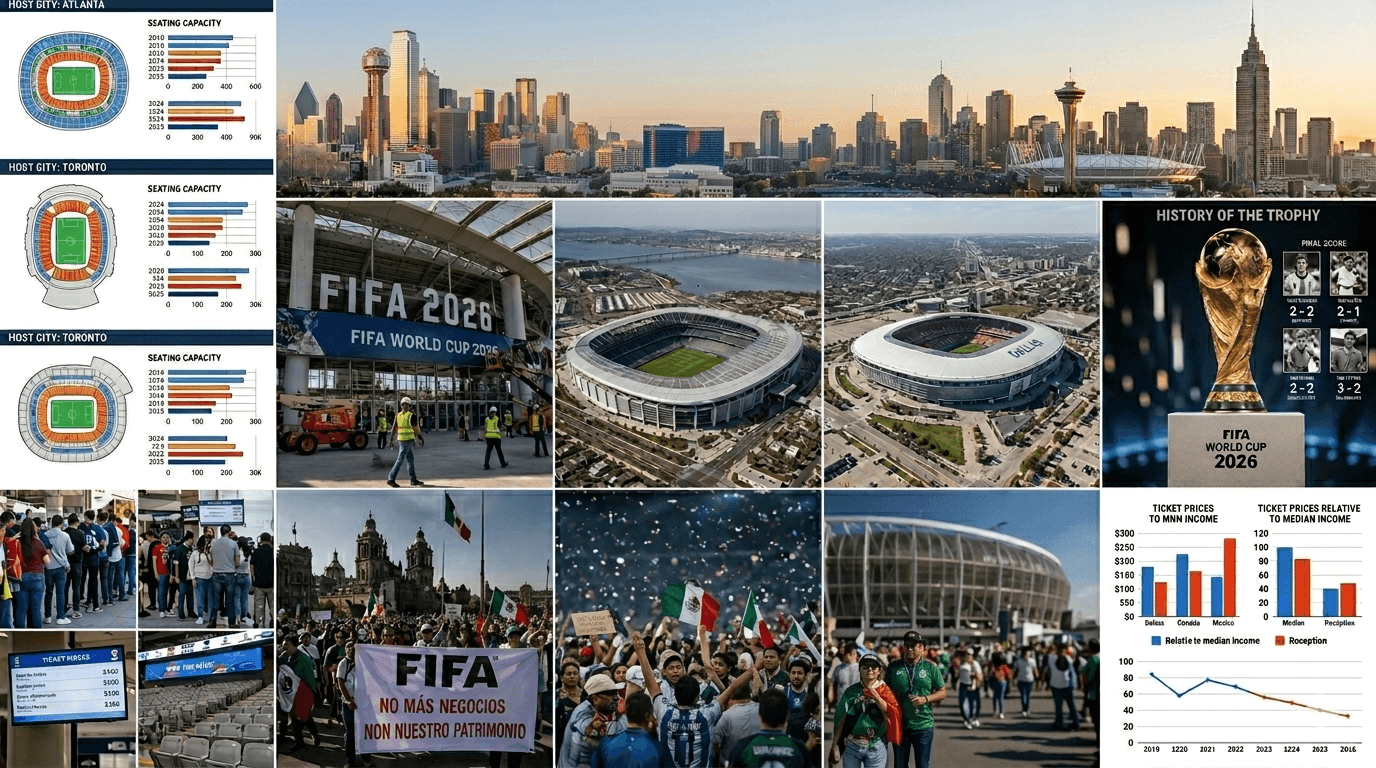
Ticket pricing has also emerged as a contentious issue. Authorities in New York and New Jersey have launched reviews into ticket pricing practices, while critics warn that rising prices could prevent a portion of supporters from attending matches in person.
In addition, organizers face significant security challenges. Hosting 104 matches across 16 cities in three different countries will require extensive coordination among security agencies and government authorities. Addressing potential threats, managing large crowds, and ensuring the safety of millions of fans remain among the most pressing concerns for officials.
Despite these challenges, organizers remain optimistic about the tournament’s economic and sporting success. The Houston Host Committee, for example, has announced that it expects more than 500,000 visitors to travel to the city for World Cup matches, generating approximately $1.5 billion in economic impact.
Nevertheless, experts emphasize that fan engagement, ticket affordability, economic conditions, and global political developments will ultimately be among the key factors determining the success of what is expected to be the largest World Cup ever staged.
Writer:Salima Aryaei